Bundikin · Discovery city
Kyoto
The thousand-year capital · Kyoto Prefecture, Japan
Heian-kyō was established in 794
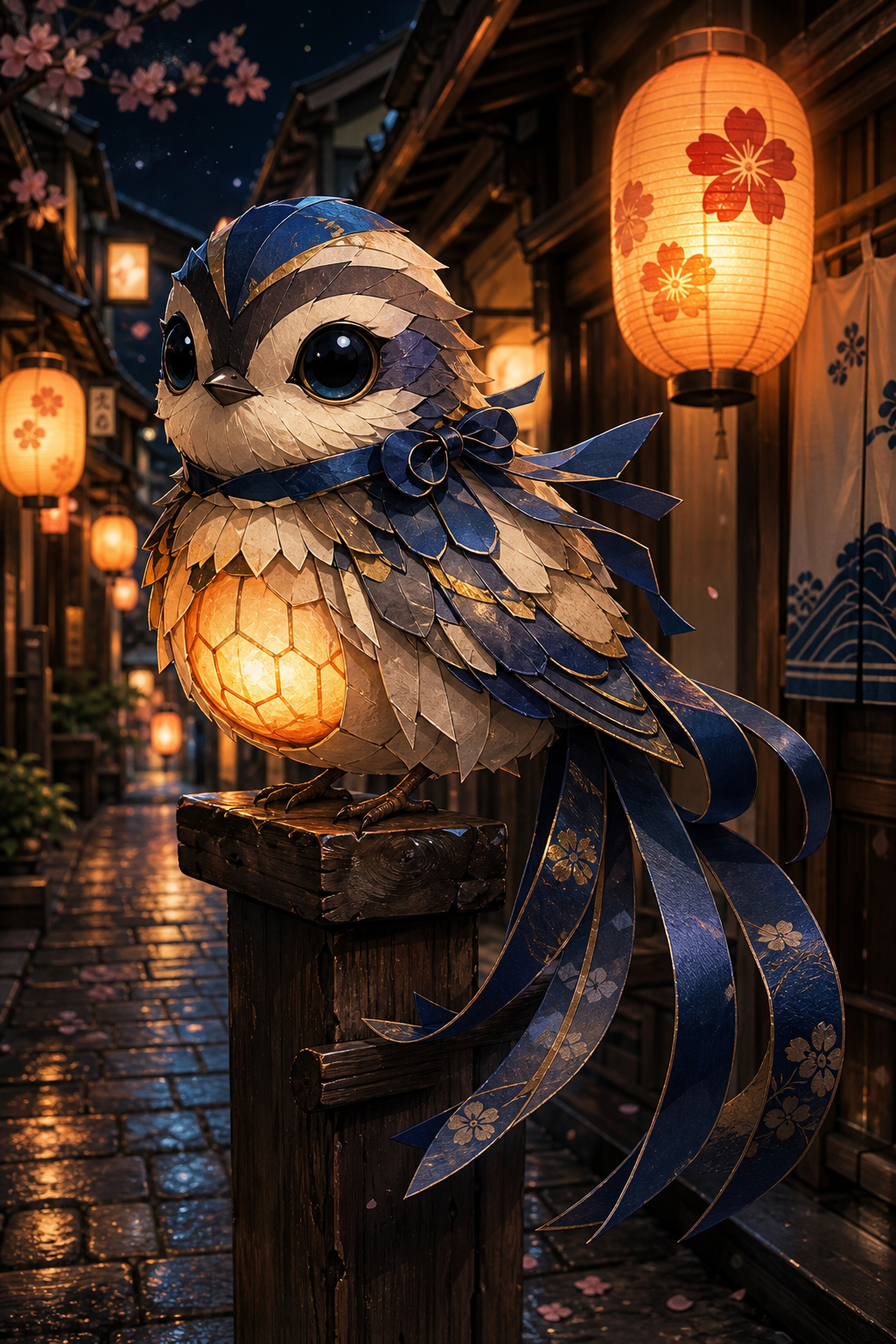
Kyoto was Japan's imperial capital for more than a thousand years. Grid streets copied a Chinese plan; temples, villas, and workshops filled in the rest. When the capital moved to Tokyo in 1868, Kyoto kept the crafts: silk, ceramics, tea, and the paper lanterns that still warm Ponto-chō after dark.
The city was largely spared aerial bombing in 1945, which is why so much wooden machiya and temple ground remains walkable. Gion, the Philosopher's Path, and the back-alley workshops are not a museum. People still pull lantern paper by hand.
Things worth knowing
- Seventeen Historic Monuments of Ancient Kyoto are grouped as a UNESCO World Heritage site, including Kiyomizu-dera and Nijo Castle.
- Gion remains a hanamachi — a geiko and maiko district — with teahouses that still treat a doorway like a curtain.
- Nishijin weaving and Kyo-yuzen dyeing made Kyoto silk a national luxury for centuries.
- The Gion Matsuri in July is among Japan's most famous festivals, with floats that have processed since the 9th century.
- Ponto-chō is a lantern-lit alley along the Kamogawa, barely wide enough for two people and exactly wide enough for a secret.