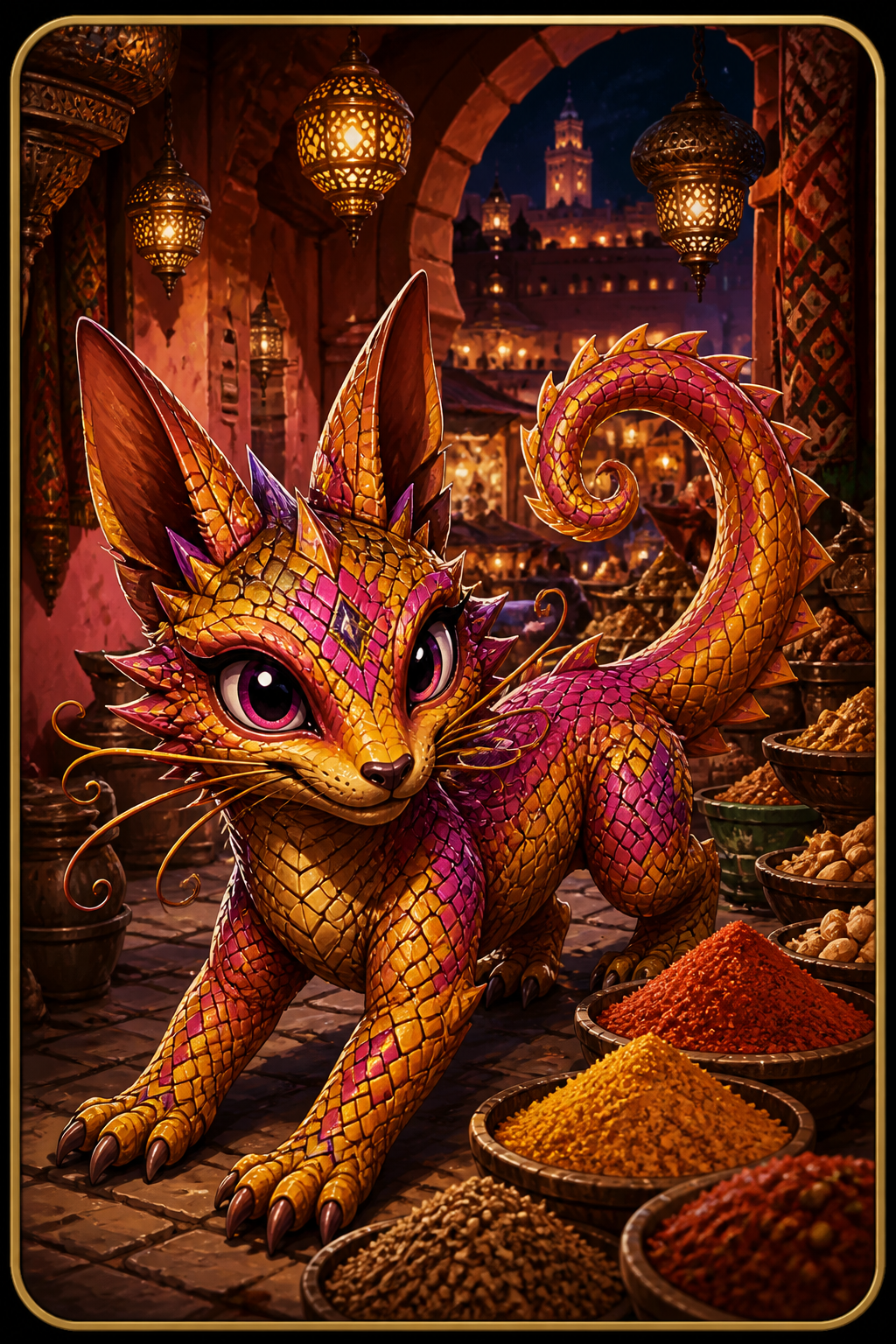
Bundikin · Discovery city
Marrakech
The Red City · Marrakesh-Safi, Morocco
Founded around 1070 by the Almoravids
Marrakech was raised as a desert capital: red rammed-earth walls, palm groves, and a medina designed for trade. The Almoravids, then the Almohads, made it a hinge between the Sahara, the Atlas, and the sea. Jemaa el-Fnaa has been a public square for storytellers, juice stalls, and night drums for centuries.
French colonial planning in the 20th century added the Guéliz districts, but the medina kept its maze. Riads still turn their beauty inward — a courtyard, a fountain, a sky — while the souks keep the city's oldest job: putting the right spice in the right hand.
Things worth knowing
- The walls and much of the old city are the color of local red clay, which is how Marrakech earned 'the Red City.'
- Koutoubia Mosque's 12th-century minaret set a pattern later echoed in Seville's Giralda and Rabat's Hassan Tower.
- Jemaa el-Fnaa is on UNESCO's list of intangible cultural heritage for its living mix of food, music, and oral story.
- The name Marrakech is often linked to Amazigh words for 'land of God' or 'pass of the sons of Kush,' depending on which linguist you ask.
- Spice mounds in the souk are not only color: cumin, saffron, and ras el hanout were (and are) medicine, memory, and money.